
A bright, white smile is often associated with confidence, youth, and health. It’s no wonder teeth whitening continues to be one of the most popular cosmetic dental treatments sought out by patients. Whether you’re preparing for a big event or simply want to boost your self-esteem, understanding the science and options behind teeth whitening is the first step to achieving the radiant smile you desire. This comprehensive blog post delves into the ins and outs of teeth whitening—from its causes and options to safety and care tips—so you can make informed decisions about your smile.
What Causes Tooth Discoloration?
Before exploring whitening solutions, it’s helpful to understand why teeth discolor over time. Common culprits include:
- Foods and Beverages: Coffee, tea, red wine, cola, and deeply colored foods (like berries and curry) can leave pigments on tooth enamel.
- Tobacco Use: Tar and nicotine found in tobacco can cause yellowish or brownish stains.
- Poor Oral Hygiene: Inadequate brushing and flossing allows plaque and stain-producing substances to accumulate.
- Aging: As enamel thins with age, the yellowish dentin beneath becomes more apparent.
- Medications: Certain drugs, such as tetracycline antibiotics, antihistamines, and some blood pressure medications, can discolor teeth, especially when taken during tooth development.
- Trauma or Disease: Injury or illness affecting tooth enamel or the development of enamel can lead to changes in color.
Understanding these factors can help guide lifestyle adjustments for lasting whitening results.
Professional Teeth Whitening: In-Office Treatment
Professional whitening in a dental or orthodontic office provides some of the most dramatic and safe results. Here’s why:
How It Works
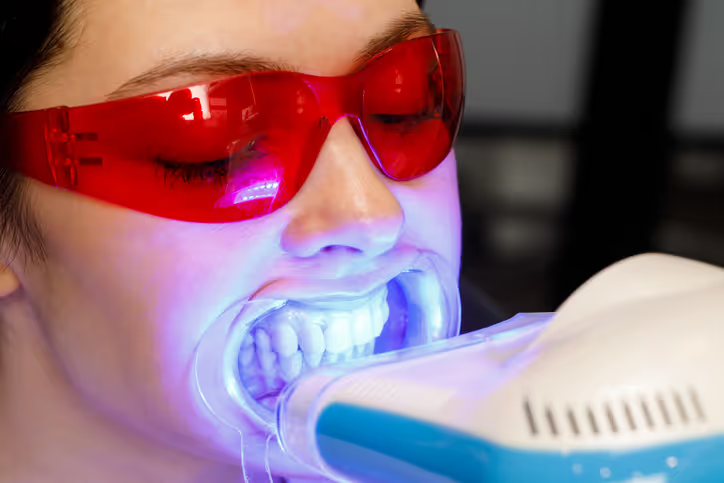
A dental professional applies a whitening gel containing higher concentrations of hydrogen peroxide or carbamide peroxide. The gums and surrounding tissue are protected before the solution is applied. Sometimes, a special light or laser may be used to enhance the whitening process. Results are typically noticeable in just one session, though some may require multiple visits for desired brightness.
Benefits
- Safe and Controlled: Trained staff monitor the entire procedure, ensuring protection for sensitive tissues and adjusting strength as necessary.
- Fast Results: Most patients leave the office with a noticeably brighter smile.
- Customizable: Treatments can be tailored to match your tooth sensitivity and color goals.
- Effective on Deeper Stains: Especially beneficial for tough, intrinsic discoloration.
Considerations
While in-office treatments are highly effective, they can cause temporary tooth sensitivity in some patients. Dentists can offer solutions or alter treatments to minimize discomfort.
Take-Home Whitening Kits
For those seeking convenience or wishing to whiten at home, dentist-provided whitening kits are a great option. These kits include custom-fitted trays and professional-grade whitening gels, providing impressive results while allowing you to manage treatments on your schedule.
Process
- A dental impression is taken to craft trays perfectly fitting your teeth.
- The trays are filled with professional whitening gel and worn daily for a specified period, typically 30 minutes to an hour over several days or weeks.
- Progress is monitored, and your orthodontic team can offer guidance for best results.
Pros
- Custom-Fit Comfort: Prevents leakage of gel, protecting gums and maximizing efficacy.
- Flexible Use: Ideal for busy individuals or those preferring to whiten at home.
- Longer-Lasting Effects: Results build up gradually, giving you more control over the shade.
Over-the-Counter Whitening Products
Pharmacies are stocked with over-the-counter whitening solutions, such as whitening toothpaste, strips, gels, and rinses. These options are widely available and affordable but may yield more subtle results due to their lower concentration of active ingredients.
Types of Products
- Whitening Toothpaste: Helps remove surface stains but doesn't change intrinsic tooth color.
- Whitening Strips and Gels: Applied to the surface of teeth for a certain duration. While effective for minor discoloration, they are less customizable and may irritate gums.
- Whitening Rinses: These offer mild stain reduction as part of daily oral hygiene but may take weeks to show noticeable changes.
Important Considerations
Although convenient, over-the-counter products don’t provide the tailored experience of professional options. Poorly fitting trays or incorrect use may increase risk of tooth sensitivity or gum irritation.
Whitening for Patients with Braces
Orthodontic appliances such as braces can complicate the whitening process, as the gel cannot reach the tooth surfaces covered by brackets. If you’re currently undergoing orthodontic treatment, it’s often best to wait until the braces are removed to achieve even, consistent results. For patients using removable clear aligners, it’s sometimes possible to integrate whitening during orthodontic care. Always consult with your orthodontic provider to determine the safest and most effective approach.
Is Teeth Whitening Safe?
Whitening is considered safe when administered by professionals or when professional products are used according to directions. Some individuals may experience temporary sensitivity or minor gum irritation; however, these side effects are usually transient. Teeth whitening is not recommended for:
- Children under age 14
- Pregnant or lactating women
- Those with dental restorations (e.g., crowns, veneers) in the visible smile zone—restorations will not respond to bleaching and may result in color mismatches
Always discuss any existing dental work or concerns with your dental team before beginning whitening treatments.
Maintaining Your Brighter Smile
Maximize your results and extend the brilliance of your smile with these tips:
- Practice Excellent Oral Hygiene: Brush twice daily and floss regularly.
- Moderate Staining Foods and Drinks: Use a straw, rinse with water after consuming, or limit intake where possible.
- Schedule Regular Dental Cleanings: Routine professional cleanings help prevent new stains from setting.
- Avoid Tobacco Products: These can quickly discolor freshly whitened teeth.
- Touch-Up Treatments: Use at-home touch-ups or maintenance as recommended by your dental provider.
Common Myths and FAQs
Myth 1: Whitening Weakens Teeth
False. Professional teeth whitening alters tooth color, not the tooth structure.
Myth 2: All Whitening Results Look Unnatural
With advancements in technology, results can be subtle or dramatic depending on your preference and starting shade. Most treatments allow customization for natural results.
Frequently Asked Questions
How long do results last?
- Typically, six months to two years, but individual habits greatly influence longevity.
Can whitening make teeth sensitive?
- Some individuals experience sensitivity, which is generally temporary and manageable with adjustments or specific toothpastes.
What if I have fillings or crowns?
- Whitening agents won’t change the color of dental restorations, which may necessitate replacing these to match your new shade.
The First Step: Personalized Whitening Consultations
Achieving your best smile is a journey that should be guided by dental professionals. Begin by booking a consultation for an evaluation of your oral health and whitening needs. The dental team can provide recommendations based on the causes of your tooth discoloration, your health history, and your unique goals.
Ready to Dazzle?
With the right information and professional support, you can safely reveal a smile that reflects your brightest, most confident self. Whether through in-office treatments, at-home solutions, or improved daily habits, teeth whitening offers something for almost everyone looking to revitalize their look. Embrace your new smile—and let your confidence shine as bright as your teeth!